Engaging Art Projects for Elementary School Kids


Intro
Art is not just about splashing paint on canvas or sculpting clay; it’s about expression, experimentation, and creativity. For elementary students aged five to twelve, engaging in art projects serves multiple purposes. It’s a wonderful way to channel their artistic energy while also honing fine motor skills and cognitive abilities. This guide aims to shine a light on various art activities designed for young learners, using materials that are likely to be found at home or within the classroom.
By participating in these projects, children tap into their imagination and develop a love for creativity. The fun lies not merely in the finished product but also in the process of creating. Through each section of this article, readers will discover simple yet enriching craft ideas that help foster a vibrant learning atmosphere.
Creative Activities
Craft Ideas:
Engaging craft projects can be simple yet profoundly stimulating for young minds. A few effective ideas include:
- Paper Plate Animals: Using paper plates, children can create their favorite animals. They can paint them or use colored paper to cut out ears, noses, and tails.
- Nature Collages: Kids can collect leaves, flowers, and small stones to create breathtaking collages. This activity also sparks curiosity about the environment.
- DIY Greeting Cards: Crafting cards for special occasions allows children to express their feelings, making them not just art pieces but personal gifts.
Step-by-Step Guides:
To make crafting easier for both educators and parents, here are some straightforward guides:
- Paper Plate Animals
- Nature Collages
- DIY Greeting Cards
- Gather the following materials: paper plates, scissors, glue, and colors.
- Start by painting the paper plate in the base color of the chosen animal.
- Once dry, cut shapes from colored paper for ears and facial features.
- Glue these shapes onto the plate and let children add any unique decorations.
- Encourage kids to go on a nature walk to collect their materials.
- Provide them with a glue stick and a piece of cardboard or heavy paper.
- Lay out the collected items and arrange them creatively before gluing down.
- Cut a piece of card stock in half to form a card.
- Let children decorate the front with drawings, stickers, or cut-outs.
- Inside, they can write a message for the recipient.
Educational Value:
Beyond the fun of creating, these art projects bring an array of educational benefits. From enhancing fine motor skills through cutting and gluing to sparking discussions about nature during the collage activity, art plays a pivotal role in learning. While working on these craft projects, children also develop critical thinking skills as they make choices about colors and designs. By fostering an environment of creativity, parents and educators can inspire kids to explore their artistic capabilities, all while learning in a hands-on way.
"Creativity takes courage." – Henri Matisse
In summary, this concentration on creative projects ignites imagination, promotes skill development, and provides opportunities for children to express themselves. There's a world of possibilities waiting for young artists, and it's within reach with just a few simple materials and a bit of guidance.
Foreword to Art in Education
Art education plays a pivotal role in shaping young minds, providing more than just a creative outlet. It's a vital component of a well-rounded education. Not only does art facilitate the development of fine motor skills, but it also enhances cognitive abilities among elementary students. Engaging in creative activities allows children to express themselves, explore their imaginations, and process their emotions in constructive ways.
Art serves as an essential avenue for children to learn about the world. Through projects, they can experiment with colors, shapes, and materials, discovering how these elements work together. This exploration fosters an intrinsic motivation to learn and can lead to improved performance in other subjects, too. When kids dive into art, they think critically and solve problems, ultimately sharpening their decision-making skills.
There’s something truly remarkable about how art can draw out a child's thoughts and feelings. Helping them articulate complex ideas in a visual format not only aids in their understanding but also promotes emotional well-being. This fosters confidence, as they see their thoughts materialize into something tangible.
"Art is not a thing, it is a way." - Elbert Hubbard
In a school environment, it's crucial to integrate arts into the curriculum alongside traditional subjects. Not only does this encourage creativity, but it also helps reduce stress among students. They can find joy and relaxation while immersing themselves in hands-on projects. Taking the time to embrace art means recognizing its intrinsic value and potential shape future thinkers and innovators.
Moreover, establishing an art-friendly environment alongside academics signals to students that their creativity is valued. Such an approach inspires curiosity and exploration, ultimately benefiting their overall educational journey.
As we break down various art projects suited for elementary students, we’ll uncover how these activities can enrich their school experience, blend learning with fun, and cultivate a passion for creativity that they carry into adulthood.
Getting Started with Easy Art Projects
Diving into the world of easy art projects is like opening a treasure chest full of possibilities for elementary students. The journey begins with understanding how to kick things off effectively. This section aims to unravel the vital steps needed to engage young creators and set them on a path toward artistic exploration.
Art projects can spur imaginations, whether they’re assembling a colorful collage or crafting a majestic sculpture from clay. Having the right materials and setup lays the groundwork for a realistic and fun learning experience. Think of this as your roadmap; it guides educators and parents alike in establishing an environment where creativity can flourish without unnecessary hurdles.
The process isn’t merely about handing out supplies or giving instructions. It’s about creating a space where students feel empowered to express themselves. Let’s break down two key components that will turn the ordinary into extraordinary: selecting the right materials and establishing a nurturing workspace.
Selecting the Right Materials
Basic Supplies Every Classroom Should Have
Each art project demands an arsenal of supplies that can help bring ideas to life. Basic supplies like markers, colored papers, scissors, and glue sticks form the backbone of artistic endeavors. These items not only support various projects but also foster essential skills like motor coordination.
A standout quality of these supplies is their accessibility. While it’s possible to acquire expensive art tools, simplicity often leads to the best outcomes. Armed with basic supplies, students can experiment without fear of ruining something costly.
Here are few of the must-haves:
- Crayons: Great for young hands still developing fine motors skills.
- Construction Paper: This versatile medium adds color without too much fuss.
- Glue and Scissors: Essential for all kinds of crafting.
However, while these materials are almost always beneficial, the challenge lies in managing them effectively. School classrooms can become cluttered, so keeping them organized is crucial. Without proper organization, everything from engagement levels to the creative flow can take a hit.
Creative Uses of Recyclable Materials
Turning trash into treasure is not just an eco-friendly practice but also a creative adventure. Items like toilet paper rolls, bottle caps, and old newspapers can be transformed into spectacular art projects. Using recyclable materials teaches students about sustainability while igniting their creativity.


What sets this approach apart is its emphasis on resourcefulness. Kids learn that art can spring from the most mundane items. By engaging in these projects, students can unleash formidable imagination, all while contributing positively to the environment.
However, it’s essential to provide guidance on sorting what’s useful before starting any project. Without clarity, the potential for chaos increases, making it harder to appreciate the outcomes of their creative efforts.
Setting Up an Inviting Workspace
Creating an Organized Art Station
Once the materials are selected, the next step is to create a welcoming art station. Having a dedicated space that’s tidy and well-organized fosters a mental connection to creativity. This means that every item, from snipping scissors to vivid paints, should have its own bespoke spot.
When children see a clean and well-arranged work area, it encourages them to jump in easily. This organization leads to less distraction and more focus on the tasks at hand. Ultimately, a well-structured art station ensures that the materials are accessible and that students spend less time searching and more time creating.
Among the unique features of an organized art station is the inclusion of labels for each material. This small step can greatly enhance independence as students learn to locate what they need without constant assistance.
Encouraging a Collaborative Atmosphere
Art is not just a solitary experience; it is fundamentally social. Fostering an environment where collaboration is prioritized can enhance creativity even more. By encouraging students to work together on projects, you cultivate a sense of community and teamwork while allowing ideas to bounce off one another.
One method to achieve this is by arranging students in small groups for certain art projects. This can lead to collective solutions or even unique artwork that integrates individual ideas. While it can sometimes seem challenging to manage group dynamics, positive outcomes often outweigh the initial bumps along the way.
The biggest advantage of collaboration is the sharing of skills and viewpoints. Students can learn from one another and think outside of their own perspectives, enriching the overall creative experience. Educators and parents are encouraged to participate in this process as facilitators, guiding the flow of creativity while allowing students to lead their collaborative journeys.
"Creativity is allowing yourself to make mistakes. Art is knowing which ones to keep."
– Scott Adams
Navigating through these starting points, both students and mentors can create a vibrant artistic landscape, poised for exploration. By focusing on these foundational aspects, you position children not just to create art, but to embark on a lifelong journey of creativity.
Paper-Based Art Projects
When it comes to basic art education for elementary students, paper-based projects offer a world of possibilities. Not only are they cost-effective, but they are highly versatile and can be adapted for different skill levels. Engaging in paper art projects can help young learners improve fine motor skills, enhance creativity, and foster emotional expression. Each project encourages students to use their imaginations while developing critical thinking about materials and design.
Simple Collage Techniques
Collages are a splendid way to introduce young learners to the arts. They involve assembling various materials on a single surface, allowing students to explore their creativity without the need for advanced techniques. Collages can be made using paper cut-outs, fabric scraps, and even natural items like leaves or flower petals.
Exploring Themes for Collages
When students delve into themes for collages, they learn to conceptually organize their thoughts and visions. This thematic exploration can contribute significantly to their artistic development.
- Key Characteristic: Selecting a specific theme not only guides the creative process but also offers students a chance to express personal interests or reflections on their environments.
- Benefits: Choosing themes allows children to link their artwork to real-life experiences or fictional stories. This focus can spark discussion among peers and create a sense of connection in the classroom.
- Unique Feature: The freedom to select a theme fosters a sense of ownership over their art. However, without guidance, some students may struggle to choose a theme, leading to potential indecision.
Utilizing Different Textures
Texture plays a pivotal role in how collages are perceived. By employing various materials—like scrap fabrics, textured paper, or other found objects—students can add depth and interest to their compositions.
- Key Characteristic: The use of different textures engages the sense of touch, which can enrich the artistic experience for young learners.
- Benefits: Incorporating textures trains students to observe and appreciate differences in surfaces, leading to more nuanced artwork.
- Unique Feature: The tactile nature of mixed media can make collages visually striking. Students may, however, face challenges when glueing different textures, such as ensuring everything adheres well without causing a mess.
Watercolor Techniques for Beginners
Watercolor painting opens a new realm of artistic exploration for elementary students. It encourages experimentation with color blending and brushwork, making it an ideal medium for beginners.
Basic Wash Techniques
Basic wash techniques serve as a foundation for learning how to manipulate watercolors effectively. Students create a wash by diluting paint with water, which encourages the blending of colors in a smooth way.
- Key Characteristic: A wash allows for expansive backgrounds or subtle gradients, which can be used to support other elements in a piece.
- Benefits: Mastering this technique promotes patience and understanding of how different water levels affect color saturation.
- Unique Feature: The simplicity of washes makes them appealing to young learners, but they also require a level of care to avoid muddy colors.
Creating Textured Effects
Textured effects can transform a simple watercolor painting into something striking. Techniques like salt application or using a sponge can add visual interest to the piece.
- Key Characteristic: Creating textures introduces students to the concept of layering and effects, encouraging them to think about their art in more complex ways.
- Benefits: Students learn that art is not just about colors but also about how different elements can interact on paper.
- Unique Feature: While texturing can create exciting effects, it may also require students to make quick decisions about their work, which can feel daunting.
Kids engaged in paper-based projects not only learn the basics of art-making but also build confidence as they see their ideas come to life. For more insights into teaching art, resources like Britannica or educational sections on Reddit can provide further inspiration.
Sculpture and Three-Dimensional Art
When it comes to art education, sculpture and three-dimensional art add another layer of engagement for students. These forms of creativity allow young learners to step beyond the flat surfaces of traditional art and into the realm of textures, shapes, and depths. Working in three dimensions fosters a sense of spatial awareness and invites children to think critically about how objects relate to each other in space. Moreover, this kind of artistic expression encourages fine motor skills through handling and manipulating materials. As students create tactile pieces, they also learn to approach problems from multiple angles, enhancing their creative thinking and problem-solving abilities.
Easy Clay Projects
Basic Clay Sculpting Techniques
Basic clay sculpting techniques serve as a great building block for young artists. Working with clay isn’t just about shaping; it’s a whole journey where kids explore their imagination and develop essential skills. Children learn how to pinch, roll, and smooth the clay, which develops their hand muscles and coordination. It's often a popular choice because it’s straightforward and does not require a lot of fancy tools.
One unique feature of these techniques is their accessibility—most classrooms and homes have inexpensive clay that’s easy to mold. The greatest advantage is that clay is forgiving; if a piece doesn't turn out as anticipated, it can be reshaped without effort. However, a consideration to keep in mind is that some clay requires drying or baking, which can limit the immediacy of the finished project.


Creating Functional Clay Items
Creating functional clay items pushes students further in their artistic journey. This aspect highlights both creativity and practicality, as kids design pieces intended for everyday use. From bowls to planters, the possibilities are nearly endless. Engaging in this practice helps kids see art as something that is not only beautiful but also useful.
A key characteristic of functional clay items is their ability to blend artistry with utility. This makes the projects even more rewarding, as students can take home their creations and share them with their families. However, it’s important for educators to set realistic expectations, as not all clay creations will turn out perfect on the first try. Yet, this is an excellent lesson in perseverance—artists learn that it often takes several attempts to achieve the desired outcome.
Recycled Materials Sculpture
Building Structures from Found Objects
Building structures from found objects celebrates both creativity and sustainability, making it an ideal topic for young learners. This project combines imagination with problem-solving as kids take discarded items and give them a new life. Things like old bottle caps, cardboard, and plastic containers can transform into unique sculptures. This aspect brings about a sense of ownership and pride in the creative process as students repurpose everyday materials into works of art.
One of the appealing features of this approach is that it challenges students to view the world differently, seeing potential art supplies in things they might normally throw away. Even though the resulting sculptures may lack the polished finish of traditional materials, the charm lies in their raw and authentic character. A con to consider is that the final installations may be less durable than those made from conventional art materials, which might require close supervision when on display.
Incorporating Mixed Media
Incorporating mixed media into sculpture projects expands the horizon for creativity. This aspect encourages kids to combine different materials—such as cardboard, clay, textiles, and even natural elements like leaves—into a single cohesive piece. The advantage here is that it allows for experimentation and broadens their understanding of artistic expression.
An essential characteristic of mixed media is the enhanced opportunity for kids to express their creativity uniquely. By blending various elements, they can create textures and layers that would not be possible with a single material. Yet, while the fusion of materials can bring about stunning results, it may also complicate the project. Sometimes kids might struggle to find balance in their designs or make too many changes that detract from the overall piece. However, these challenges present meaningful opportunities for growth as they learn to navigate artistic struggles.
The beauty of sculpture and three-dimensional art lies in their ability to engage students physically, creatively, and intellectually, transforming how they connect with the art-making process.
Engaging elementary students with sculpture and three-dimensional art lays down a pathway for sensory exploration and self-expression, shaping them into more confident artists.
Exploring Drawing Techniques
Drawing serves as a fundamental tool for expression and creativity, particularly for young minds still discovering their artistic voices. This section delves into techniques that not only hone skills but also cultivate imagination. Engaging with drawing can lead to improved focus, enhanced fine motor skills, and the ability to visualize thoughts. It’s essential for students aged five to twelve to grasp these basics, as they set the groundwork for more complex art forms.
Preamble to Basic Drawing Skills
Shapes and Proportions
Shapes and proportions lay the bricks for every drawing. Understanding these concepts allows kids to break down complex images into manageable pieces. For instance, when they want to draw a cat, they can start with a circle for the head, triangles for the ears, and rectangles for the body. This simplification makes art approachable, fostering confidence while they learn.
An essential characteristic of shapes is their versatility. From a simple square to an intricate spiral, drawing shapes builds a robust foundation. This method is popular because it removes the intimidation factor. Rather than diving into an elaborate drawing, children can find success early by focusing on basic forms.
However, a potential downside is that reliance on shapes can sometimes stifle creativity. Some kids might feel constrained, thinking there’s only one way to represent an object. It's vital to encourage them to experiment beyond basic forms, allowing their imagination to blossom.
Using Different Pencils
The choice of drawing tools can significantly influence how young artists express themselves. Using different pencils allows for a variety of effects – from soft lines to sharp details. For example, a 2B pencil produces darker marks which can be great for shading, while a 4H pencil gives lighter, finer lines—they’re gentle on the paper and help in sketching out details.
One key characteristic of these pencils is their range of hardness and softness. This variety enables students to explore textures and depths within their drawings. It’s a beneficial choice because it introduces kids not only to the technical aspects of drawing but also to the emotional aspects of their art. Each pencil can evoke a different feeling, allowing for personal expression.
Nonetheless, the drawback could be overwhelming options. Young learners might feel lost when faced with numerous choices. As educators or parents, guiding them towards specific uses for each pencil can enhance their understanding while encouraging experimentation.
Creating Story Illustrations
Pairing Images with Text
Pairing images with text transforms a simple drawing into a narrative. This technique allows kids to visualize stories, merging visual art with literary skills. Think about a story about a brave mouse; illustrations can capture the mouse in various adventures while the accompanying text conveys the message. This connection between text and images strengthens comprehension and creativity.
The standout characteristic of this practice is its dual enhancement of skills. It boosts both visual literacy and storytelling abilities. The integration of drawing into writing makes this method popular as it shows children how interconnected their skills are. They see that their drawings can illuminate stories, not just serve as standalone pieces.
A potential issue here is that some children may find it challenging to condense their ideas into a single image alongside text. They might feel constrained, limiting their artistic expression. It is essential to remind them that there’s no single way to tell a story – creativity has no bounds.
Encouraging Narrative Expression
Encouraging narrative expression invites kids to pour their thoughts and feelings onto paper. When they illustrate their stories, they are fleshing out their inner world. For instance, they might create a scene of a magical forest filled with talking animals, each character reflecting aspects of their personality or experiences.
This technique is particularly beneficial as it nurtures emotional intelligence. Kids learn to convey complex feelings through imagery, equipping them with a tool for expressing themselves in ways they might not articulate verbally.
However, one drawback is that not all children are natural storytellers, potentially causing frustration. Some may struggle to translate abstract feelings into images. Offering prompts or group discussions can help these children find direction, ensuring all can engage in narrative expression, regardless of their current skill level.
Art is a journey, not just a destination. By exploring drawing techniques, children awaken their creativity, laying the groundwork for a lifetime of artistic expression.
In essence, drawing can become a gateway for children to express their imagination and emotions. Through understanding shapes, utilizing various pencils, and merging images with text, young learners can develop essential skills that will serve them well in both art and life.
Integrating Technology in Art Projects
As we navigate an increasingly digital world, it's vital to bring elements of technology into the art education landscape for elementary students. Integrating technology in art projects serves as more than just an enhancement; it transforms how young learners engage with creative processes. This integration provides access to tools that can broaden their understanding, simplify artistic expression, and enable them to share their creations with a larger audience. Using technology also helps in developing essential skills, such as digital literacy and critical thinking.
Digital Art Basics for Kids
Using Drawing Applications


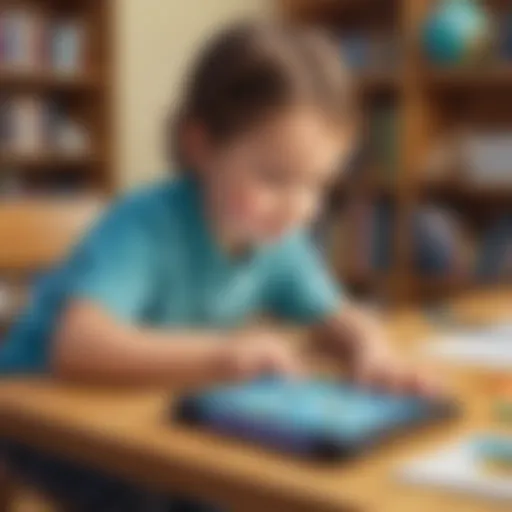
Utilizing drawing applications is like having a canvas that fits in the palm of your hand. These apps allow kids to explore their creativity without the mess of traditional art supplies. A key characteristic of drawing applications is their versatility; they offer a range of features like layering, color blending, and adjustable brushes. This adaptability makes them popular choices for young artists. The unique feature of drawing applications is their ability to undo mistakes, which can be incredibly encouraging for students still learning. However, it’s essential to balance screen time with hands-on activities to ensure students develop a well-rounded artistic skill set.
Exploring Animation Features
Animation features available in various programs can open up new avenues for storytelling and creativity. Kids can bring their drawings to life, transforming static art into dynamic narratives. This ability enhances understanding of motion and timing, which are crucial elements in both art and media literacy. A standout aspect is how animation can engage reluctant artists by providing them with a playful medium to express their ideas. On the downside, the learning curve associated with advanced animation software might deter some beginners. So, it's important to choose user-friendly options that are specifically designed for kids.
Documenting Art through Photography
Basic Photography Techniques
Teaching elementary students basic photography techniques is a fantastic way to document their art journey. Simple skills like framing a shot and adjusting lighting can make a huge difference in how their artwork is presented. A characteristic of these techniques is their accessibility; most children can pick up a camera or a smartphone and start experimenting almost immediately. One noteworthy feature of these basic skills is the encouragement they provide; students often feel empowered when they can capture and share their work. However, it is important to ensure that students understand photography etiquette, such as respecting the work of others.
Creating a Digital Portfolio
Creating a digital portfolio allows students to compile their artwork over time, showcasing their progress and development. This process fosters self-reflection, as they select pieces that resonate with them. An essential characteristic of digital portfolios is their permanence; students can easily return to them, celebrate achievements, or even make improvements on past work. The unique aspect of a digital portfolio is that it can be shared widely, allowing families and friends to take part in the child's artistic journey. The challenge can lie in choosing the right platform to host these portfolios, as some options may cater to older users and might be overwhelming for kids.
The Role of Art in Social Development
Art plays a pivotal role in a child’s social development. Engaging in art projects not only helps in honing fine motor skills but also fosters collaboration and communication among peers. At an age when social skills are blossoming, children engage with their surroundings and express their feelings through various forms of art. These activities create an environment where students can learn vital social skills like sharing, listening, and valuing others' perspectives.
By working on art projects together, kids have a chance to deepen their relationships with classmates. They learn to compromise, negotiate ideas, and build a sense of community. The act of creating art becomes a shared language, giving them a platform to bond and exchange thoughts. This collaborative effort can help to decrease feelings of isolation. It transforms the classroom into a vibrant space where trust and respect become the foundation of social interactions.
"Art is the language that transcends the barriers of communication, uniting kids in common goals and aspirations."
Years spent in elementary education serve as the groundwork for future relationships and community involvement. Thus, fostering this sense of social engagement through art can have a ripple effect that extends into adult life.
Encouraging Team Projects
Collaborative Sculpture Projects
When it comes to collaborative sculpture projects, the focus is on teamwork. Such projects typically involve children coming together to build something greater than the sum of their parts. Each child brings unique perspectives and skills, which enhances creativity and not just art. These sculptures often combine various materials and techniques, giving students a chance to experiment.
A key characteristic of collaborative sculpture projects is the collective decision-making process. Students discuss design choices and materials, fostering teamwork. This encourages them to articulate their ideas and defend their choices, creating an atmosphere of mutual respect. Since these projects can vary widely—from using clay to building with recycled items—they accommodate a broad range of interests and abilities, making them a popular choice in elementary art.
The downside may include challenges regarding differing opinions. Conflicts can arise, but they provide valuable teaching moments for conflict resolution and compromise. Overall, collaborative sculptures hone not only creative skills but also essential social abilities.
Group Mural Designs
Group mural designs elevate teamwork in a visually striking way. They often serve as public artworks within schools, making the effort even more meaningful. Children work together to create a larger mural, which can reflect themes like diversity or unity in the classroom. Each child contributes their unique artistic voice, creating a visually cohesive piece that speaks to the collective experience.
The key characteristic of group murals is their communal nature. By collaborating on a large canvas, students learn how their individual contributions influence the bigger picture. It gives them a sense of belonging, as they see their work represented alongside their peers. This becomes a talk piece for pride and discussion.
However, managing a group mural project requires careful planning and organization to ensure everyone participates meaningfully. Miscommunication might lead to some feelings of exclusion or frustration. A well-structured process can minimize these issues, making group murals an enriching choice for social development.
Art as a Means of Communication
Expressing Complex Ideas through Art
Art acts as a medium to articulate thoughts that are difficult to express using words. Children can communicate complex ideas—whether about their emotions or experiences—through visual artistry. By engaging in this form of expression, they gain the confidence to share their viewpoints.
This characteristic of expressing complex ideas through art is beneficial as it allows students to explore subjects that might feel overwhelming. Visual art can distill complicated emotions into digestible imagery, providing an outlet for children who may be shy or withdrawn. They can represent their experiences uniquely, and this process can lead to greater self-awareness and understanding.
On the flip side, some children may feel frustrated if they can't translate their thoughts into art. This potential hurdle emphasizes the importance of guidance and encouragement from teachers or caregivers, helping youngsters navigate their feelings while fostering creativity in a supportive environment.
Using Art for Emotional Expression
Using art for emotional expression helps children process their feelings in a constructive way. Whether it's joy, sadness, or confusion, creating art allows them to externalize emotions that might otherwise remain bottled up. Through various mediums—like painting, drawing, or sculpting—students find personal pathways to share their experiences.
A key characteristic of this practice is its therapeutic nature. Many educators and psychologists recognize art as a tool for emotional well-being. It enables kids to navigate their feelings in a safe space, reducing anxiety and depression. It also fosters resilience, teaching them to cope with various emotional scenarios effectively.
Still, while it can be immensely beneficial, it's important to be aware that not all children may feel comfortable expressing themselves artistically. Some might need a bit of encouragement or even alternative forms of expression to tap into their emotions fully. Understanding this variance is crucial to ensure everyone benefits from the process.
End: Nurturing Future Artists
Art serves as an essential avenue for children's growth and self-expression. As we wrap up our exploration of easy art projects for elementary students, it's clear that nurturing creativity is crucial for shaping their futures. Engaging in art not only cultivates a rich imagination, but it also fosters critical thinking and problem-solving skills. When children create, they learn to navigate their thoughts and feelings, allowing them to understand the world better.
Encouraging Continuous Creative Exploration
One of the key aspects of nurturing young artists is the idea of continuous creative exploration. It's important to establish an environment where kids feel safe to express themselves without fear of judgment. Here are a few strategies to encourage this:
- Create Opportunities: Regularly set aside time for art in the classroom or at home. Even a few minutes a day can lead to unexpected inspiration.
- Introduce New Techniques: Challenge children by introducing new mediums or tools, like oil pastels or spray bottles for painting. This diversity keeps their interest alive.
- Honor Each Creation: Display their artwork prominently, whether it's on the fridge at home or a designated wall in the classroom. This acknowledgement can boost their confidence and motivate them to keep creating.
"Art enables us to find ourselves and lose ourselves at the same time." — Thomas Merton
The Lasting Impact of Art in Education
The role of art in education cannot be overstated. Research shows that children who engage in art tend to excel in various academic subjects. This occurs for multiple reasons:
- Enhancement of Cognitive Skills: Working on art projects develops fine motor skills and cognitive processes like analysis and synthesis.
- Emotional Outlet: Art provides a sanctuary where kids can express their emotions. This leads to improved emotional health and resilience.
- Cultural Awareness: Through various projects, children learn about different cultures and histories, creating a richer understanding of the world around them.
The impact of fostering artistic skills has a ripple effect. It builds self-esteem, encourages teamwork, and promotes appreciation for diverse perspectives. As educators and parents, our role is to facilitate this exploration, helping nurture the next generation of creative thinkers and problem solvers.